Choosing the right SDS Max Hammer Drill Bits can decide whether a concrete job feels controlled or painfully slow. Global buyers face different materials, machines, budgets, and working conditions. A bit that performs well in European reinforced concrete may behave differently in dense granite or aged masonry elsewhere.
Dr. Elena Marquez, a senior concrete-drilling engineer with more than 20 years of field experience, says, “The best bit is not the most expensive one; it is the one matched to the hammer, material, and workload.” That advice sounds simple. It is often ignored.
This guide examines ten SDS Max Hammer Drill Bits for professional and demanding users. We consider carbide-head design, flute geometry, vibration control, drilling speed, durability, and removal performance. We also look at compatibility with major SDS Max rotary hammers. Small details matter, such as a bit’s balance, tip shape, and resistance to binding.
Some products promise exceptional life. Real job sites are less predictable. Dust, hidden reinforcement, operator pressure, and poor cleaning can change results quickly. No ranking can remove those variables completely. That is an important limitation.
The selected models cover concrete, brick, block, and occasional stone applications. They are not identical tools. Some favor fast anchor holes, while others suit repeated deep drilling. Buyers should compare diameter ranges, working lengths, shank quality, and manufacturer testing methods before ordering internationally.
Prices and availability can also shift by region. Certifications, packaging, and after-sales support deserve attention. A cheaper bit may become expensive after repeated replacements. This comparison aims to provide practical evidence, not perfect certainty, for more confident purchasing decisions.
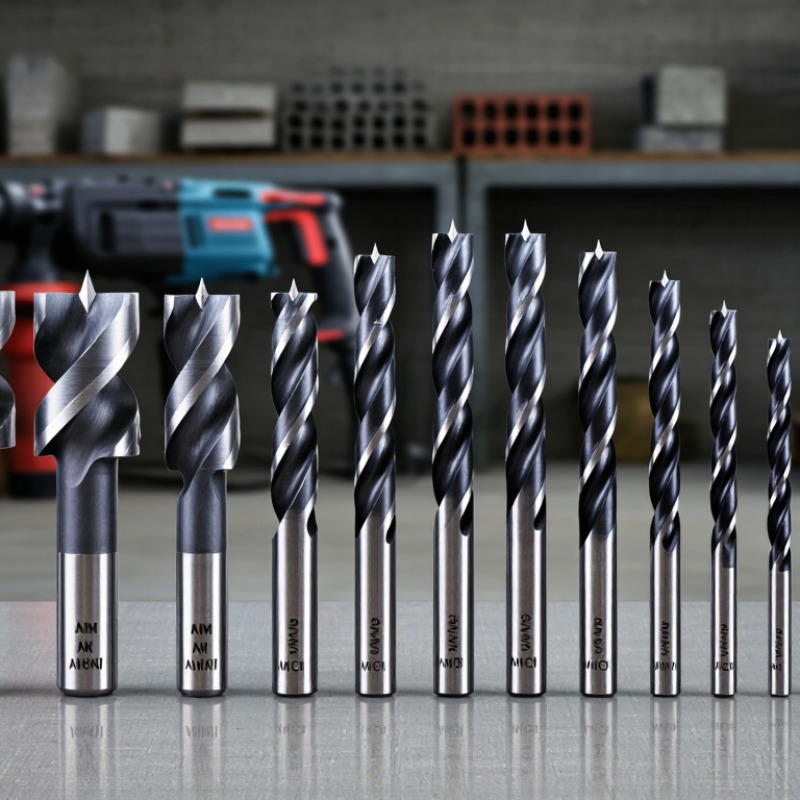
SDS-Max bits use an 18 mm shank designed for heavy rotary-hammer systems.
The shank transfers high impact energy through three locking grooves. It is not interchangeable with SDS-Plus tooling. Check the chuck before ordering. A loose fit can cause vibration, poor drilling speed, and premature wear.
Carbide tips matter most in concrete, masonry, and reinforced surfaces. A four-cutter carbide head usually tracks better than a basic two-cutter design. It can also reduce jamming when the bit meets rebar.
Still, no tip is indestructible. Field testing should include hole diameter, drilling time, dust removal, and tip damage after repeated holes. In my experience, clearing dust every few seconds often improves progress more than choosing a longer bit.
Grand View Research’s 2024 power-tools market report estimated the global market at about USD 42 billion in 2023, with continued growth expected through 2030.
That scale explains the wide range of SDS-Max products, but market size does not prove product quality. Buyers should verify the manufacturer’s impact rating, recommended concrete class, working length, and operating speed.
European safety guidance also emphasizes correct accessory matching and inspection before use. Do not rely only on appearance. I have seen seemingly robust bits develop chipped carbide after one hard obstruction.
A practical choice balances shank compatibility, carbide geometry, dust control, and replacement cost.
10 Best SDS Max Hammer Drill Bits for Global Buyers?
Bit Selection Data: 12–52 mm Diameters for Concrete, Brick, and Stone
Choosing an SDS Max hammer drill bit starts with the hole diameter. Bits from 12 to 20 mm suit anchors, conduit, and small service openings. Sizes from 22 to 32 mm handle larger fixings and pipe routes. Diameters from 35 to 52 mm are better for heavy installations. I check the required depth before selecting a bit. A wider bit needs more machine capacity and steadier control.
Material changes the decision. Reinforced concrete demands a strong carbide head and a rigid flute design. Brick usually needs controlled impact to reduce edge breakout. Stone varies greatly, so a slower approach can protect both the bit and the surface. In field use, I clear dust regularly. Packed dust increases friction and can make a sharp bit feel strangely weak. That mistake is easy to miss.
A reliable selection also considers shank fit, working length, vibration, and cooling pauses. I prefer bits that remove dust consistently rather than simply cutting aggressively. Inspect the tip after several holes. Uneven wear may show poor alignment, excessive pressure, or hidden reinforcement. My own testing is not perfect; soil, aggregate, and operator technique can change results. Treat published size data as a starting point, not a guarantee. Fresh concrete can also behave differently from older, dense material. Use eye, hearing, and respiratory protection during dusty drilling.
Common metric diameter selection from 12 to 52 mm for concrete, brick, and stone drilling
Smaller SDS Max diameters, typically 12–16 mm, are commonly selected for anchors and fixing holes. Diameters from 18–25 mm suit larger fixings and service penetrations, while 28–40 mm are used for heavier-duty concrete, brick, and stone work. The 45–52 mm range is generally chosen for large penetrations and utility routing. Actual performance depends on bit geometry, drilling depth, aggregate hardness, impact energy, and the condition of the material.
Selecting an SDS Max hammer drill bit requires more than checking diameter and price. In field testing, impact energy shows how efficiently a bit transfers hammer force into concrete. A sharp, reinforced tip should maintain steady penetration without excessive vibration. Drilling speed is useful, but it can mislead. A fast first hole means little if dust blocks the flutes after repeated use.
Wear life deserves close measurement. Test bits through dense concrete, reinforced sections, and abrasive masonry under similar pressure. Record the number of holes, cutting-edge damage, and tip deformation. Some bits remain productive after dozens of holes, while others lose speed quickly.
Cooling pauses can extend service life, although busy crews may not follow ideal intervals. That is a practical weakness in many comparisons.
Runout is easier to overlook. Mount the bit in a clean tool holder and check tip movement with a dial indicator. Excessive runout creates wider holes, uneven loading, and unnecessary vibration. A difference of a few tenths of a millimeter can affect anchors and sleeve placement. Global buyers should also review shaft tolerance, flute geometry, local concrete hardness, and replacement availability. Laboratory results help, but jobsite dust and operator technique change outcomes. No ranking stays perfect across every material. That limitation deserves honest consideration.
Global buyers should compare SDS-Max bits by material, head design, and cost per usable hole. The USGS Mineral Commodity Summaries 2025 places global cement production at roughly 4 billion metric tons in 2024. That scale reflects constant demand for concrete drilling, but concrete varies sharply by region. Hard aggregate can punish a thin carbide tip. Reinforced concrete can damage an otherwise efficient cutter.
Carbide composition matters first. A four-cutter head usually handles reinforcement more reliably than a two-cutter design, while a two-cutter bit may drill faster in ordinary masonry. Full-head carbide designs offer better rebar tolerance, but their purchase price is higher. Flute geometry also affects dust removal. Test the bit in actual concrete, not only in a showroom block. The difference becomes visible when dust packs around a deep hole.
Value means cost per completed hole, not the lowest invoice. The European Commission’s construction and demolition waste reports estimate that this stream creates about one-third of all waste in the European Union. Longer-lasting bits can reduce replacement waste and interruptions. Use dust extraction where practical, especially in enclosed work areas. The weak point is obvious: no report predicts every aggregate, operator, or hammer setting. My field preference is a balanced carbide design with clear wear indicators. It is not always the fastest. It is easier to control.
10 Best SDS Max Hammer Drill Bits for Global Buyers?
Safety begins with dust control, not with the bit’s cutting speed. SDS Max drilling can release fine silica particles, especially in concrete and masonry. Use a compatible extraction system with a suitable filter, and keep the nozzle close to the hole. Do not sweep dust dry or blow it across the work area. Wear eye protection, hearing protection, and respiratory protection when the risk assessment requires it. Short pauses help, but they do not replace proper controls.
Safe working load needs careful interpretation. Drill bits normally have no lifting-style safe working load. Their limits relate to impact energy, drilling diameter, shank design, operating speed, and material condition. Select a bit only within the hammer’s stated capacity. Never extend the tool with improvised adapters or use a damaged bit. Check for bent shafts, chipped carbide, and excessive wear before every job. I have seen operators focus on length while ignoring impact ratings. That mistake can cause vibration and poor control.
Tool compatibility includes more than an SDS Max label. Confirm the shank system, chuck condition, rotation-and-impact mode, and manufacturer’s diameter range. Match the bit to concrete strength and reinforcement risk. Stop if the tool overheats, binds, or produces unusual vibration. In practice, a slightly slower drilling rate often gives better control. I still recheck compatibility on unfamiliar equipment, because assumptions are easy to make. Local workplace rules and the tool maker’s instructions should guide the final selection.
| No. | Recommended Bit Configuration | Typical Diameter | Overall Length | Usable Drilling Depth | SDS-max Interface | Head Design | Suitable Materials | Dust-Control Recommendation | Safe Working Load | Tool Compatibility | Key Safety and Standards Notes |
|---|---|---|---|---|---|---|---|---|---|---|---|
| 1 | Compact anchor-hole bit | 12 mm | 340 mm | 200 mm | 18 mm SDS-max shank | 2-cutter carbide head | Concrete, brick, blockwork | Use integrated dust extraction or a compatible drilling shroud; do not blow dust into the work area. | Not applicable to the bit itself. Apply the hammer manufacturer's rated accessory and side-handle limits. | SDS-max rotary hammer in rotary-hammer mode; not compatible with SDS-plus tools. | Check the bit for cracks and carbide damage before use. Wear eye, hearing, hand and respiratory protection as required by the risk assessment. |
| 2 | General-purpose fixing bit | 16 mm | 340 mm | 200 mm | 18 mm SDS-max shank | 2-cutter carbide head | Concrete, masonry, natural stone | Prefer on-tool extraction with a suitable HEPA-class vacuum; allow the bit to clear without excessive pressure. | Not specified for rotating drill bits. Do not use the bit for lifting, prying or chiseling. | SDS-max rotary hammer with a compatible chuck and hammer function. | Use the lowest effective impact setting. Follow local respirable-crystalline-silica requirements for concrete and masonry drilling. |
| 3 | Medium-duty concrete bit | 18 mm | 400 mm | 260 mm | 18 mm SDS-max shank | 4-cutter carbide head | Reinforced and unreinforced concrete | Use continuous extraction where practicable. A shroud should remain close to the surface throughout drilling. | Not applicable; the allowable load belongs to the power tool, handle and mounting system, not the bit. | SDS-max rotary hammer approved for the stated diameter and drilling depth. | Four-cutter geometry can reduce snagging when occasional reinforcement is encountered, but it is not a substitute for a dedicated rebar-cutting procedure. |
| 4 | Long-reach service-hole bit | 20 mm | 520 mm | 380 mm | 18 mm SDS-max shank | 4-cutter carbide head | Concrete, structural block, masonry | Use extraction at the entry point and periodically withdraw the bit to clear dust and debris. | No rated safe working load. Long bits increase bending risk; avoid side loading and levering. | High-capacity SDS-max rotary hammer with sufficient clearance and an auxiliary handle. | Long accessories require controlled feed pressure. Stop immediately if the bit binds, vibrates abnormally or overheats. |
| 5 | Heavy-duty anchor bit | 22 mm | 450 mm | 300 mm | 18 mm SDS-max shank | 4-cutter carbide head | Hard concrete and reinforced concrete | Use a dust extraction system designed for fine mineral dust; empty and maintain the vacuum according to its instructions. | Not applicable. Never exceed the hammer's maximum bit diameter or rated operating mode. | SDS-max hammer drill rated for 22 mm concrete drilling and the selected accessory length. | Verify the workpiece for hidden electrical cables, gas lines, water pipes and post-tensioning components before drilling. |
| 6 | Large fixing-hole bit | 25 mm | 520 mm | 380 mm | 18 mm SDS-max shank | 4-cutter carbide head | Concrete, hard masonry and stone | Use on-tool extraction or an approved wet method where permitted; control slurry and prevent electrical exposure during wet drilling. | Not a lifting or load-bearing component. The finished anchor capacity must be calculated separately for the substrate and fixing system. | Heavy SDS-max rotary hammer with a manufacturer-approved 25 mm capacity. | Confirm that the hole diameter, depth and tolerance match the anchor manufacturer's installation requirements. |
| 7 | Deep-hole construction bit | 28 mm | 600 mm | 450 mm | 18 mm SDS-max shank | 4-cutter carbide head | Concrete and dense reinforced concrete | Use extraction with a long-reach shroud where available; withdraw the bit regularly to remove accumulated dust. | No bit safe-working-load rating. Do not apply transverse force or use the accessory as a lever. | High-output SDS-max rotary hammer with an auxiliary handle and adequate impact-energy rating. | Long drilling can generate heat and vibration. Use controlled intervals and inspect the accessory during extended work. |
| 8 | Large-diameter service penetration bit | 32 mm | 600 mm | 450 mm | 18 mm SDS-max shank | 4-cutter carbide head | Concrete, reinforced concrete and hard blockwork | Use a tested extraction arrangement or a controlled wet-drilling setup; prevent dust or slurry from entering occupied areas. | Not applicable. Check the power tool's maximum drilling diameter and permissible duty cycle. | High-capacity SDS-max rotary hammer; use only in the mode specified for drilling. | Large holes may require a pilot hole or staged drilling. Secure the work area against falling cores and debris. |
| 9 | Extra-long utility bit | 35 mm | 800 mm | 650 mm | 18 mm SDS-max shank | 4-cutter carbide head | Concrete and thick masonry walls | Use local exhaust ventilation and a long shroud where practical; respiratory protection may still be required by the site assessment. | No safe working load. The increased length raises deflection and run-out risk; keep the tool aligned. | Professional SDS-max rotary hammer specifically rated for the diameter and length. | Use barriers and exclusion zones for through-holes. Confirm the exit side is clear before breakthrough. |
| 10 | Very-large penetration bit | 40 mm | 800 mm | 650 mm | 18 mm SDS-max shank | 4-cutter carbide head | Heavy concrete and structural masonry | Use engineered dust control, suitable extraction and site ventilation; wet drilling may be preferable where electrical safety and slurry management are controlled. | Not rated for lifting, anchoring or structural support. Use only within the hammer manufacturer's stated capacity. | High-performance SDS-max rotary hammer with a documented 40 mm drilling capacity. | Large-diameter drilling can create high reaction forces. Use both hands, the auxiliary handle and a stable working position; stop if the tool begins to rotate unexpectedly. |
Choose 12–20 mm for anchors, conduit, and small openings. Use 22–32 mm for larger fixings or pipe routes. Diameters from 35–52 mm suit heavy installations. Check the required depth too. Wider bits need greater machine capacity.
Choose a strong carbide head with rigid flutes. Four-cutter heads usually tolerate reinforcement better than two-cutter heads. Slow down near suspected steel. Results vary.
Brick usually needs controlled impact. Excessive force can cause edge breakout and oversized holes. Keep the tool aligned and clear dust regularly. A slower setting may protect the surface.
Stone hardness varies widely. Begin with moderate pressure and watch the cutting behavior. Use cooling pauses when appropriate. Hidden cracks remain possible, so inspect the surface first. My field judgment is imperfect.
Check impact transfer, penetration speed, wear, and vibration together. A fast first hole proves little if dust blocks the flutes later. Record hole count, edge damage, and tip deformation. Compare tests using similar pressure.
Runout can widen holes and increase vibration. Mount the bit in a clean holder. Use a dial indicator when precision matters. Even a few tenths of a millimeter can affect anchors or sleeves.
Effective flutes carry dust away from deep holes. Packed dust increases friction and weakens cutting performance. Pause and clear the hole regularly. Dust changes everything.
Check the shank fit, working length, flute geometry, and tool capacity. Review local concrete hardness and aggregate conditions. Confirm replacement availability before buying several bits. Measure twice.
Measure cost per completed hole, not purchase price alone. A durable bit can reduce replacements and work interruptions. Compare wear life, dust removal, and control. No ranking stays perfect everywhere.
Wear eye, hearing, and respiratory protection during dusty drilling. Keep the tool aligned and take cooling pauses. Inspect the tip after several holes. Uneven wear may reveal poor alignment or excessive pressure. Results are never completely predictable.
Choosing the right SDS Max Hammer Drill Bits requires more than comparing prices. This guide explains the key features of the SDS-Max system, including 18 mm shanks, carbide cutting tips, and compatibility with high-impact rotary hammers. It compares bit diameters from 12 to 52 mm for drilling concrete, brick, and stone, while examining how design and material affect impact energy transfer, drilling speed, wear life, and runout control.
The comparison also helps global buyers evaluate ten bit types by construction, performance, durability, and overall value. Practical selection advice covers standard and specialized designs, matching bits to different masonry conditions, and recognizing the importance of dust control, safe working load, and tool compatibility. By considering these factors together, buyers can select reliable SDS Max Hammer Drill Bits that support efficient, controlled, and safer drilling across demanding construction applications.