Choosing the right Electric Wall Chaser Saws requires more than comparing motor power or cutting depth. Global buyers face different wall materials, electrical standards, jobsite conditions, and service expectations. A tool that performs smoothly on concrete in Germany may feel excessive on brickwork in Southeast Asia. Real projects are rarely perfect.
This guide examines practical factors used by experienced contractors and equipment buyers. We consider cutting capacity, motor durability, dust extraction, handle comfort, vibration control, blade compatibility, and maintenance access. We also look at voltage options, plug configurations, warranty support, and the availability of replacement parts. These details matter when a saw is used daily, especially in dusty renovation environments.
Worksite safety remains essential. Operators should use suitable protective equipment, inspect blades before cutting, and follow the manufacturer’s instructions. Effective dust collection can improve visibility and reduce airborne particles, but it cannot replace proper ventilation or respiratory protection. Buyers should also confirm local electrical requirements and product compliance before ordering internationally.
No single saw wins every job. Some models offer impressive power but feel heavy during overhead cutting. Others provide cleaner channels but require more frequent blade changes. A neat specification sheet can mislead. Field feedback, verified testing, and honest service records often reveal more. The recommendations in this guide aim to support informed purchasing, while acknowledging that budget, material hardness, workload, and local support can change the final choice. Good tools help. Correct application matters more.
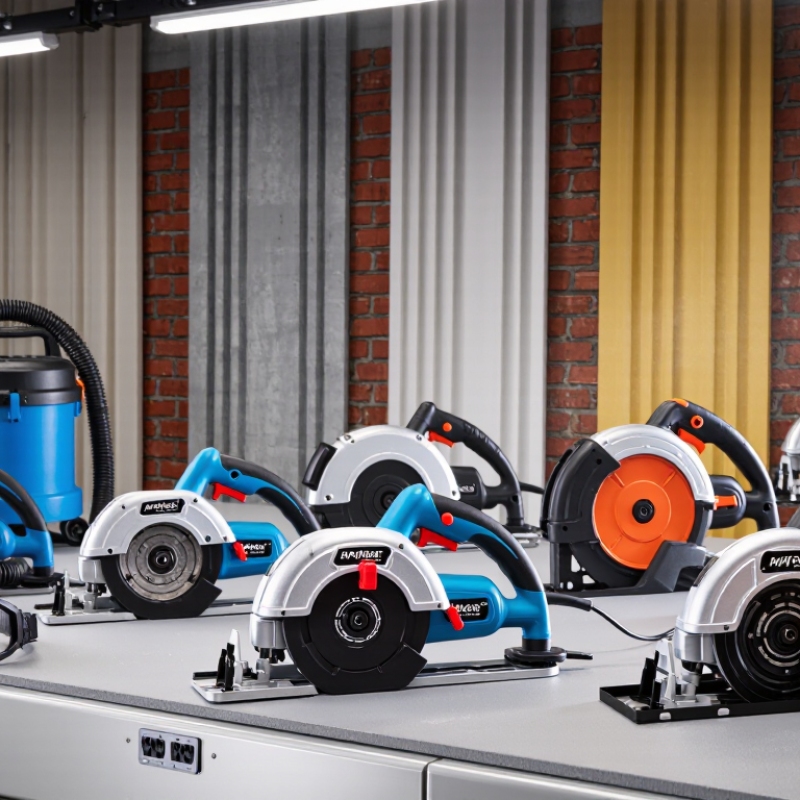
What Is an Electric Wall Chaser Saw?
An electric wall chaser saw is a powered masonry tool that cuts two parallel grooves into walls. The channel holds electrical cables, pipes, or other approved installations. Unlike a handheld grinder, it uses spaced cutting discs and an adjustable guide system. Many models use diamond discs for brick, concrete, and blockwork.
The cutting depth and groove width matter on every project. A shallow channel may not protect the cable properly. A deep cut can weaken the wall or create unnecessary dust. I check the wall material, hidden services, and required channel size before starting. The first cut is rarely perfect. A slow, steady movement gives cleaner edges and reduces disc wear.
Dust control is not optional. Connect the saw to a suitable extraction system, and wear eye, hearing, and respiratory protection. Keep both hands on the tool when the material feels hard or uneven. A trained operator should also inspect the discs, power cable, guard, and depth setting before use. Never force the saw through dense concrete. Let the discs work at their rated speed. This takes longer, but it reduces kickback and overheating.
For global buyers, useful specifications include motor power, disc diameter, maximum cutting depth, groove width, extraction compatibility, and local voltage. Weight also deserves attention. A heavy saw may cut steadily, yet it can strain the arms during ceiling or extended work. A lighter model feels easier, but stability may suffer. The right choice depends on the wall material, installation standard, and working conditions.
Top Electric Wall Chaser Saws for Global Buyers: What Is an Electric Wall Chaser Saw?
An electric wall chaser saw is a power tool fitted with two parallel diamond discs. It cuts two clean grooves in masonry, concrete, or brick so that electrical cables, conduits, and pipes can be installed efficiently. The chart shows typical cutting-depth ranges used for common wall-chasing applications; actual performance depends on the tool, disc, material, and operating conditions.
Key Features for Comparing Wall Chaser Saws
When comparing electric wall chaser saws for global buyers, start with cutting performance, not advertised wattage. A practical model should offer adjustable groove depth, stable guide rollers, and compatible disc sizes. Cutting depth around 30–40 mm suits many cable and conduit installations. However, deeper cutting can increase dust and motor strain. The International Energy Agency reported that buildings accounted for about 30% of global final energy consumption in 2022, supporting continued renovation and electrical upgrade work. This creates demand for tools that remain reliable across different job sites.
Dust control deserves equal attention. The U.S. OSHA respirable crystalline silica standard sets a permissible exposure limit of 50 micrograms per cubic meter over eight hours. Therefore, buyers should check sealed extraction ports, airflow design, and compatibility with certified dust extractors. Overload protection, soft start, and thermal cut-off can reduce sudden movement and motor damage. Noise, vibration, handle balance, and replacement-disc availability also matter during long cutting sessions. One specification is easy to overvalue. Real handling may reveal more.
Tips:
Confirm voltage, frequency, plug type, and service support before importing. Test the switch with work gloves. Check whether the guard still moves smoothly after dust exposure. A higher power rating is not always better; inefficient cooling can shorten tool life. I would also compare the warranty terms carefully, because cross-border repairs can become expensive and slow. These details often decide whether a wall chaser performs well outside the showroom.
Top Electric Wall Chaser Saw Types for Global Buyers
Electric wall chaser saws differ by cutting method, blade layout, and power source. For global buyers, these differences matter more than appearance. A single-blade chaser makes one narrow groove for cables or small conduits. It is lighter and easier to control. Twin-blade models cut two parallel lines in one pass. The channel width can often be adjusted with spacers. This saves time on repeated installations. However, twin-blade tools may feel heavier in dense masonry. That detail is easy to miss.
Dry-cut saws are practical for indoor work and quick repairs. Their integrated dust ports work best with a properly matched vacuum. Without extraction, fine concrete dust spreads across floors and lungs. Wet-cut types use water to reduce dust and cool the blade. They suit longer cuts in hard materials, but water management becomes a real issue. Slippery surfaces and cleanup can slow a careful crew. Corded electric models provide steady output for extended work. Cordless versions offer mobility, though battery runtime and voltage compatibility need checking.
Experienced buyers should match the saw to wall material, groove depth, and daily workload. Check spindle size, adjustable depth, overload protection, handle balance, and replacement blade availability. Confirm the rated voltage, plug configuration, and relevant market safety documentation before ordering. I have found that cutting speed alone is a poor buying measure. A saw that vibrates heavily can produce uneven channels and operator fatigue. Results vary. Leave room for reassessment after the first project.
Safety, Performance, and Maintenance Considerations
Choosing an electric wall chaser saw requires more than checking cutting depth or motor wattage. Safety begins with dust control. OSHA’s Respirable Crystalline Silica standard sets a permissible exposure limit of 50 micrograms per cubic meter over eight hours. A saw with effective extraction, sealed airflow paths, and a compatible vacuum can reduce visible dust around the cut.
Dust matters. Wear suitable respiratory protection when controls are insufficient, and inspect guards before every shift. The ILO and WHO estimated 1.9 million work-related deaths globally in 2016, showing why routine controls deserve serious attention. However, a powerful tool is not automatically safer. Excessive vibration, poor balance, and slow braking can increase fatigue during long wall runs. Operators should test grip comfort, trigger response, and cutting stability on a small section first.
Performance depends on the wall material, blade condition, and load management. Cutting too aggressively can overheat the motor and produce uneven channels. I have seen maintenance teams replace blades late, then blame the machine for poor accuracy. That judgment is often unfair. NIOSH recommends limiting occupational crystalline silica exposure to 0.05 milligrams per cubic meter as a time-weighted average, reinforcing the need for extraction and cleaning discipline. After use, remove dust from vents, check cable insulation, inspect spindle threads, and record unusual noise. Some maintenance schedules look precise, but real site conditions vary. A short inspection log is imperfect, yet it is better than relying on memory.
Top Electric Wall Chaser Saws for Global Buyers - Safety, Performance, and Maintenance Considerations
| Product Configuration |
Typical Power Input |
Blade Diameter |
Typical Cutting Depth |
Typical Groove Width |
No-Load Speed |
Approx. Tool Weight |
Best Application |
| Compact single-disc model |
1,200–1,600 W |
115–125 mm |
8–30 mm |
8–30 mm |
7,000–11,000 rpm |
3.5–5.0 kg |
Short electrical channels, repairs, and light masonry work |
| Standard twin-disc model |
1,500–2,000 W |
125–150 mm |
10–40 mm |
8–35 mm |
6,000–10,000 rpm |
4.5–6.5 kg |
Plaster, brick, blockwork, and routine installation work |
| Heavy-duty twin-disc model |
1,800–2,500 W |
150–180 mm |
20–50 mm |
10–45 mm |
5,000–8,500 rpm |
6.0–8.5 kg |
Long channels and demanding masonry or concrete applications |
| Adjustable-width professional model |
1,500–2,400 W |
125–150 mm |
10–45 mm |
Adjustable, commonly 8–40 mm |
5,500–9,500 rpm |
5.0–7.5 kg |
Different cable, conduit, and pipe dimensions on one job site |
Safety, Performance, and Maintenance Checklist
| Evaluation Area |
Recommended Specification or Practice |
Why It Matters to Global Buyers |
| Electrical compatibility |
Confirm the rated voltage, frequency, plug type, grounding method, and overcurrent protection before purchase. |
Electrical standards and supply voltages differ between regions; incorrect matching can create shock, overheating, or warranty risks. |
| Dust control |
Use a compatible dust-extraction port, industrial vacuum, sealed connections, and suitable masonry dust filtration. |
Masonry dust can reduce visibility, damage the motor, and create respiratory hazards. |
| Operator protection |
Wear eye protection, hearing protection, respiratory protection, protective footwear, and suitable work clothing. |
Cutting masonry produces airborne particles, noise, vibration, and flying fragments. |
| Guard and spindle lock |
Select a model with a secure adjustable guard and a reliable spindle-lock or tool-change system. |
These features help reduce contact with rotating discs and improve controlled blade replacement. |
| Overload protection |
Prefer electronic overload, thermal, soft-start, and restart protection where available. |
Protection systems can limit current surges, reduce kickback potential, and help prevent motor damage. |
| Disc selection |
Use diamond discs rated for the material and operating speed; never exceed the disc’s maximum rpm. |
The correct disc improves cutting quality and reduces the risk of disc failure. |
| Daily maintenance |
Disconnect power, clean dust from vents, inspect the guard and cable, and check disc wear before use. |
Routine inspection supports safe operation and helps identify faults early. |
| Periodic servicing |
Inspect brushes, bearings, switches, seals, and power leads according to the operating manual and usage intensity. |
High-dust and heavy-duty work accelerate wear on electrical and mechanical components. |
| Storage and transport |
Store the tool dry, protect the discs from impact, release the adjustment mechanism, and secure the power cord. |
Proper storage reduces corrosion, accidental damage, and misalignment during the next operation. |
Note: Performance figures are typical market ranges for corded electric wall chaser saws. Actual specifications vary by design, disc type, material hardness, supply voltage, and operating conditions. Always verify the technical datasheet and local safety requirements before purchase or use.
How to Choose the Right Wall Chaser Saw for Your Market
Choosing a wall chaser saw begins with the job, not the catalogue. Measure local wall materials, typical groove depth, voltage, and dust-control expectations. A tool cutting dense concrete needs stronger overload protection than one used on softer blocks. In my experience, weight matters after the first hour. A compact saw feels efficient, until repeated overhead cutting exposes poor balance.
Dust performance deserves serious attention.
OSHA’s respirable crystalline silica standard sets an eight-hour permissible exposure limit of 50 micrograms per cubic metre. Therefore, global buyers should check extraction compatibility, sealed switches, guarded discs, and practical airflow design. A dust port alone proves little. Operators need tested extraction systems, suitable filters, and clear maintenance instructions. Wet cutting may reduce airborne dust, but water access and electrical protection differ between markets.
Electrical fit is equally important. Confirm rated voltage, frequency, plug configuration, and conformity requirements before importing. IEC 60745-2-22 provides relevant safety requirements for wall chasers, while local certification may still apply. The IEA’s Buildings 2023 report notes that buildings consume about 30% of global final energy. That makes efficient renovation work increasingly valuable, but efficiency should not mean choosing the smallest motor blindly. Compare cutting speed, thermal recovery, noise, service access, and spare-disc availability. I would not claim one saw suits every region. Some buyers also underestimate training, which can quietly determine productivity more than rated power.
Conclusion
Electric Wall Chaser Saws are specialized power tools designed to create clean, controlled channels in masonry, concrete, brick, and similar materials for installing cables, pipes, and conduits. This guide explains how they work and compares important features such as motor power, cutting depth, groove width, blade compatibility, dust extraction, ergonomic design, and overload protection. Understanding these specifications helps global buyers evaluate performance, productivity, and operating comfort for different construction environments.
The article also reviews common wall chaser types, including single-blade, twin-blade, adjustable, and heavy-duty models. It highlights essential safety practices, including protective equipment, secure handling, proper ventilation, and regular inspection of blades, guards, and electrical components. Maintenance routines can extend tool life and reduce downtime. Finally, buyers are encouraged to consider local materials, voltage requirements, work intensity, service availability, operator skill, and market regulations before selecting the most suitable saw for their region.